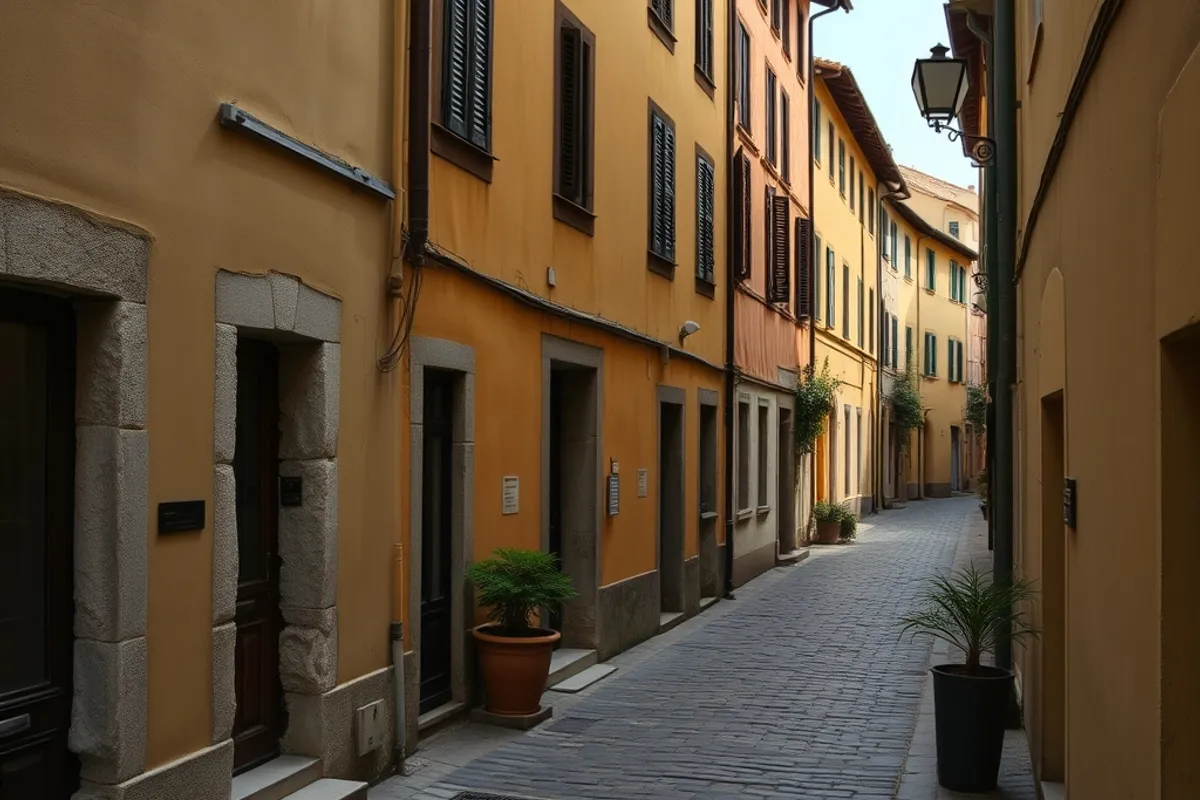
Why skip the big three
London, Paris and Rome are wonderful and exhausting. Peak-season queues, short-term rental pressure and high prices make a short break feel like work. Smaller cities often give you the same architecture, food and museums with room to breathe.
We chose places with direct transport links, a compact centre and a strong local food scene. Each has enough for three full days without a car. Our destination section covers how we plan a route, and our hotel guides explain where to stay.
Gdańsk in Poland
Gdańsk rebuilt its old town with care, and the result is one of the most walkable centres in northern Europe. We paid 72 dollars a night for a room near the river and ate well for under 15 dollars a meal. The tram system is cheap and easy to use.
Spring and early autumn are best; winter is atmospheric but cold. Do not miss the market hall or the evening light on the waterfront. It is the pick for travellers who want history, good food and a low daily budget without sacrificing comfort.
Bologna in Italy
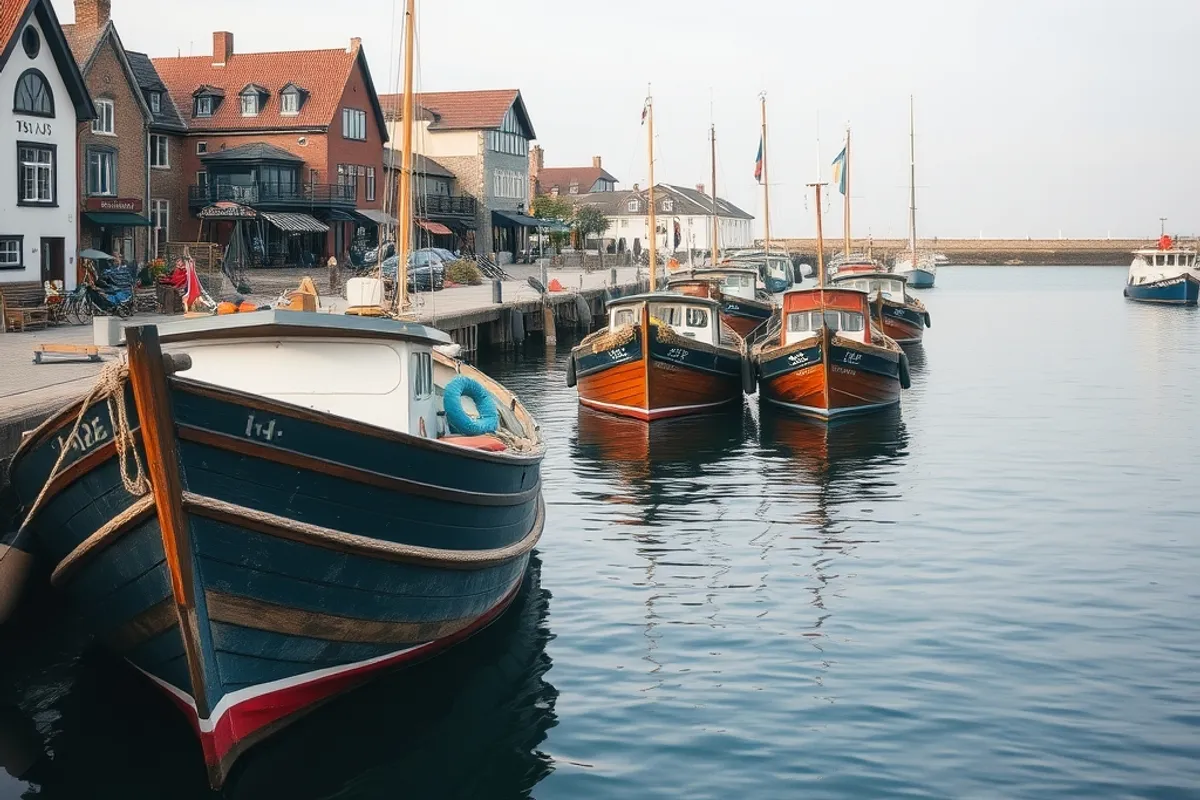
Bologna is a working university city with porticoes, markets and food that lives up to the reputation. We stayed in a small hotel near the station and walked everywhere. A plate of tagliatelle and a glass of local wine cost less than a mediocre meal in Venice.
Rates averaged 128 dollars in October. The city is busy with students, which keeps it alive at night, but the centre can be loud. Ask for a room off the main piazza. It is the pick for eaters who want a city with real texture rather than a museum set.
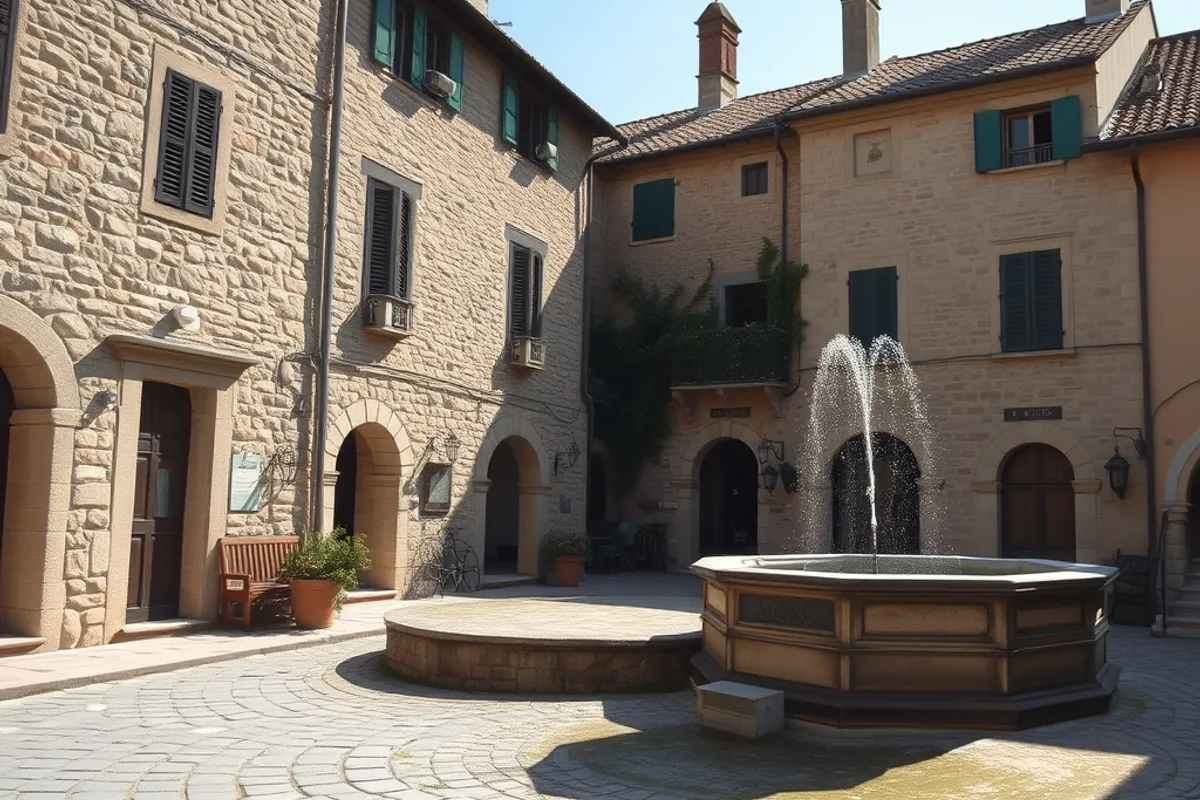
The best city break is the one where you stop queuing and start wandering, usually somewhere the guidebooks forgot.
Ljubljana in Slovenia
Ljubljana is small, green and unusually calm. The car-free centre, riverside cafes and hilltop castle make it easy to cover on foot. We took a day trip to Lake Bled by bus, which was simple and cheap.
We paid 104 dollars a night in May. The city is not packed with blockbuster sights, so give yourself permission to sit still. It is the pick for a slow weekend, a book and a table by the river. Book the bus to Bled a day ahead in summer.
Aarhus in Denmark
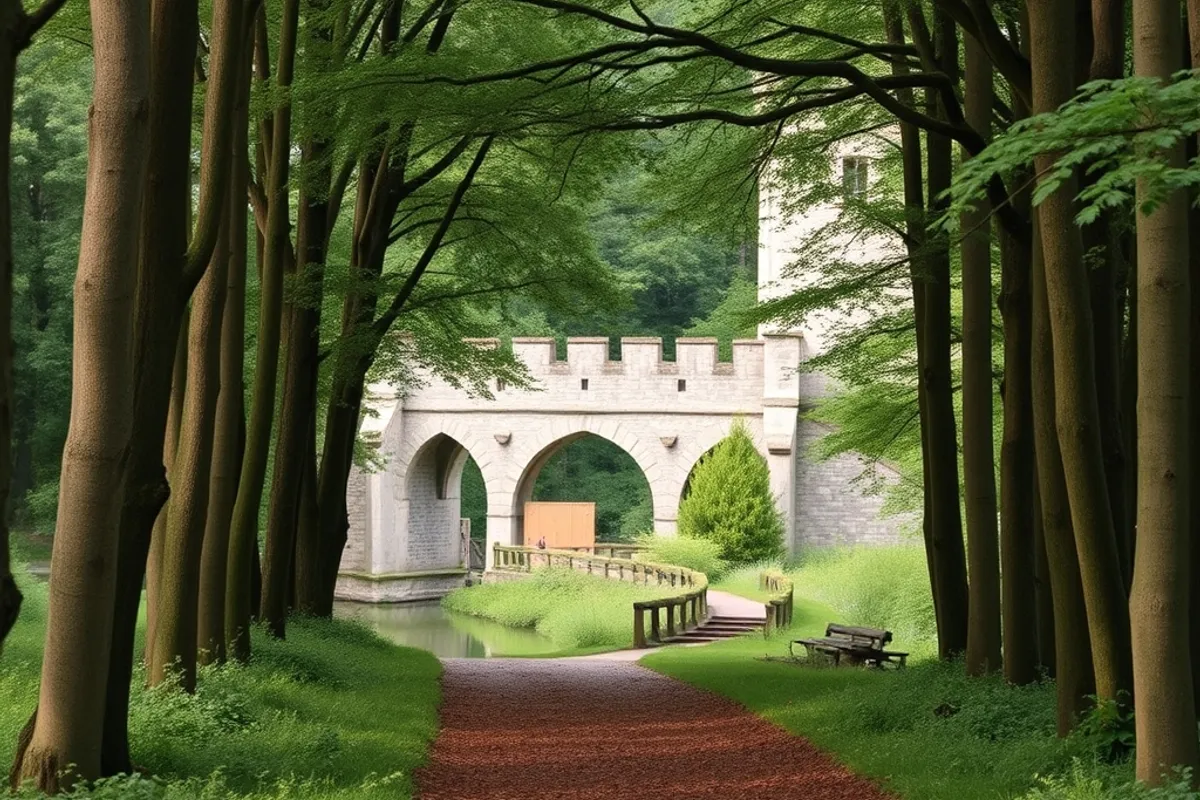
Aarhus combines a historic centre with a working harbour and excellent food. We stayed near the station, cycled to the waterfront and spent a rainy afternoon in the art museum. Prices are high by European standards, but the city is compact and easy on foot.
Rooms averaged 146 dollars in September. Eat lunch at the food hall rather than dinner, and buy a city bike pass if the weather is fair. It is the pick for design-minded travellers who want Scandinavia without Copenhagen crowds. Bring a proper rain jacket.
Porto in Portugal
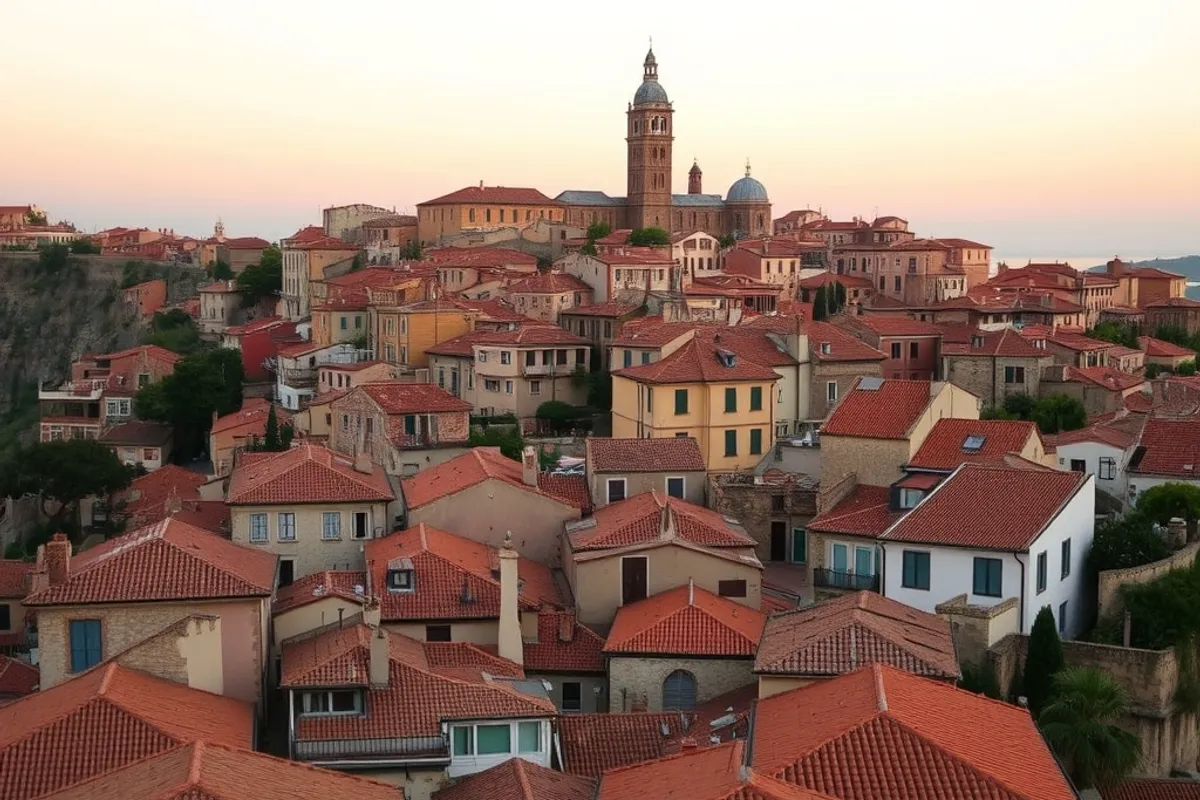
Porto is no secret, but it still feels more manageable than Lisbon. We stayed in a guesthouse above the river, crossed the bridge on foot and took the tram to the coast. The food is hearty, the wine is local and the evenings are long.
Rates were 112 dollars in April. The hills are steep and the cobbles are slippery in rain, so pack shoes with grip. Avoid the most famous viewpoints at sunset and walk ten minutes further. It is the pick for a first trip to Portugal that still feels like a city, not a queue.
How to plan a low-crowd city break
Travel midweek, book a flexible room and choose one anchor sight per day rather than five. Use public transport from the airport, buy a local transit card and eat where the lunch crowd is local. These habits cut both cost and stress.
Check opening days before you build an itinerary, because small museums close early and some restaurants rest on Monday. The UNESCO heritage list is useful for finding historic centres worth your time. Then compare total costs with our budget travel guides.