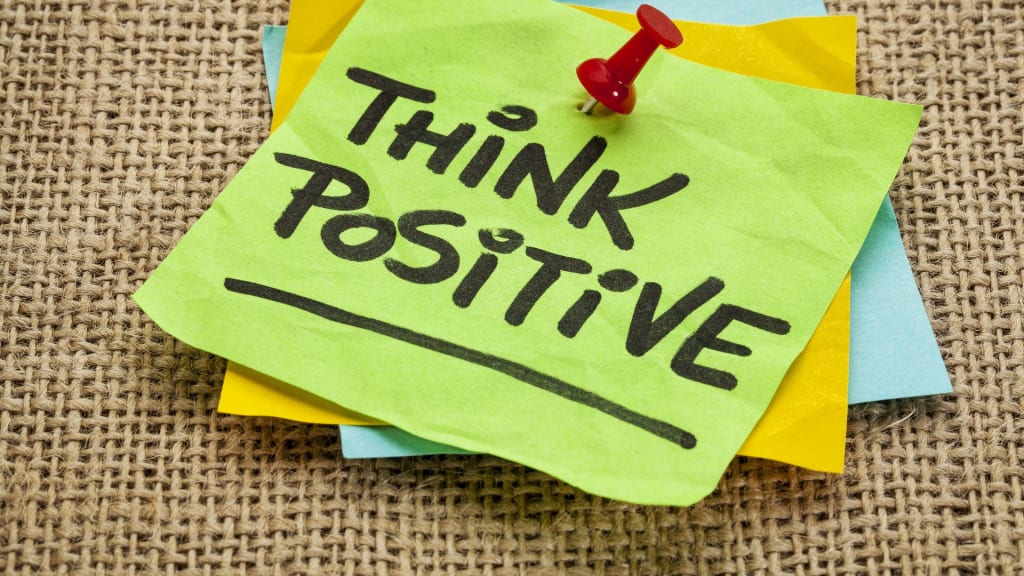
The Power of Positivity: How a Smile Can Brighten Your World

The Power of Positivity: How a Smile Can Brighten Your World
In a world that often feels rushed and overwhelming, it’s easy to overlook the simple yet profound impact of a smile. Whether it’s a fleeting moment shared with a stranger or a warm grin exchanged with someone you love, a smile holds the power to transform not only the mood of the receiver but also the sender. Science has long confirmed what great thinkers and spiritual leaders have taught for centuries: positivity, especially in the form of a smile, can ripple outward, creating waves of kindness, connection, and even healing. This article explores the science behind smiles, their psychological and social benefits, and practical ways to harness their power in everyday life.
The Science Behind Smiling
At first glance, a smile may seem like a mere facial expression, but it is more accurately described as a complex physiological response involving the brain, facial muscles, and nervous system. When you smile, your brain releases a cocktail of chemicals, including endorphins, dopamine, and serotonin—neurotransmitters often referred to as the “feel-good” chemicals. Endorphins act as natural painkillers, while dopamine and serotonin contribute to feelings of happiness and well-being.
Interestingly, the act of smiling doesn’t just react to positive emotions; it can also create them. This is due to the concept known as “facial feedback theory,” which suggests that facial expressions can influence emotional experiences. In other words, even if you don’t feel happy initially, smiling can trick your brain into feeling happier. This phenomenon has been demonstrated in various studies, including one conducted by researchers at the University of Kansas, which found that participants who held smiles during stressful tasks reported lower stress levels and faster recovery times compared to those who didn’t smile.
Moreover, smiling has been linked to lower cortisol levels—the hormone associated with stress—thereby promoting relaxation and reducing anxiety. Over time, these physiological benefits contribute to improved mental and physical health, highlighting the transformative potential of something as simple as a smile.
The Ripple Effect of Smiling
The beauty of a smile lies not only in its immediate effects on the smiler but also in its ability to spread positivity to others. This phenomenon is often referred to as the “ripple effect,” where one person’s positive actions inspire similar actions in others, creating a chain reaction of kindness and goodwill. When you smile at someone, they are statistically more likely to reciprocate, not just with another smile but sometimes with a kind word, a helping hand, or even a small act of generosity.
Research has shown that people who smile frequently are perceived as more approachable, trustworthy, and confident. This can be particularly beneficial in professional settings, where a warm smile can foster collaboration, ease tensions, and build rapport with colleagues and clients. In social interactions, a genuine smile can bridge gaps between strangers and strengthen relationships with loved ones, turning ordinary encounters into meaningful connections.
Consider the following scenarios where a smile can make a significant difference:
- In the Workplace: A smile from a manager can boost team morale, making employees feel valued and motivated. Similarly, a smile from a coworker can foster a more inclusive and supportive work environment.
- In Public Spaces: A smile to a stranger on the street, a bus driver, or a cashier can brighten someone’s day and remind them that they are seen and appreciated. These small interactions can cultivate a sense of community and belonging.
- In Relationships: A shared smile between partners, friends, or family members can reinforce emotional bonds, communicate love and understanding, and diffuse conflicts before they escalate.
The ripple effect of smiling extends beyond individual interactions. When communities embrace a culture of kindness and positivity, it can lead to broader social benefits, such as reduced loneliness, increased civic engagement, and even improved public health outcomes. In essence, a smile is a small but mighty tool for creating a kinder, more connected world.
Smiling in Challenging Times
While it’s easy to smile when life is going well, maintaining a positive outlook during difficult moments can feel like a daunting task. However, research suggests that practicing gratitude, mindfulness, and intentional positivity can help cultivate a smile even in the face of adversity. One way to do this is by focusing on small moments of joy throughout the day, such as the warmth of a cup of tea, the sound of laughter, or the beauty of nature.
Another powerful technique is to practice “gratitude smiling,” where you reflect on something you’re grateful for and allow yourself to smile genuinely as you acknowledge it. This not only boosts your mood in the moment but also trains your brain to seek out positivity more naturally over time. Additionally, surrounding yourself with uplifting people, engaging in hobbies that bring you joy, and setting aside time for self-care can all contribute to a more positive mindset.
It’s important to note that smiling doesn’t mean ignoring or suppressing negative emotions. Instead, it’s about finding balance—acknowledging hardships while also making space for moments of lightness and connection. In this way, smiling can serve as a reminder that even in darkness, there is always room for hope and kindness.
How to Cultivate a Smile-Friendly Life
Incorporating more smiles into your daily life doesn’t require grand gestures or dramatic changes. It’s about small, consistent practices that foster positivity and connection. Here are some practical ways to make smiling a natural part of your routine:
- Start Your Day with a Smile: Before you even get out of bed, take a moment to stretch and smile to yourself. This simple act can set a positive tone for the rest of your day.
- Practice the “Smile and Wave” Technique: When you pass someone in public, offer them a brief smile and a nod. You don’t need to engage in conversation; the simple act of acknowledgment can make a difference.
- Surround Yourself with Positivity: Spend time with people who uplift you, whether it’s family, friends, or even pets. Their energy can be contagious and inspire more smiles.
- Use Visual Reminders: Place sticky notes with positive affirmations or smiley faces in places you frequent, such as your bathroom mirror or workspace. These reminders can encourage you to smile more often.
- Engage in Acts of Kindness: Performing small acts of kindness, such as holding the door for someone or offering a compliment, can naturally lead to smiling, both for you and the recipient.
- Laugh Often: Watch a funny video, read a humorous book, or spend time with someone who makes you laugh. Laughter is a powerful way to trigger genuine smiles.
- Practice Mindfulness: Be present in the moment and notice the beauty around you. A smile can naturally emerge when you’re fully engaged with your surroundings.
Remember, the goal isn’t to force a smile but to create an environment where smiles can flow naturally. Over time, these small practices can help rewire your brain to default to positivity, making smiling an effortless and joyful habit.
Smiling as a Tool for Personal Growth
Beyond its immediate social and emotional benefits, smiling can also serve as a tool for personal growth. By consciously choosing to smile, even in challenging situations, you cultivate resilience, optimism, and emotional intelligence. These qualities are invaluable in navigating life’s ups and downs and can help you build stronger relationships, pursue your goals with confidence, and find meaning in everyday experiences.
Smiling can also enhance your attractiveness—not just in the physical sense but in terms of how you carry yourself and interact with the world. People who smile often are perceived as more charismatic, approachable, and trustworthy, which can open doors to new opportunities in both personal and professional spheres.
Moreover, the habit of smiling can inspire others to adopt a similar mindset. When you lead by example, you encourage those around you to embrace positivity and kindness, creating a domino effect of goodwill. In this way, smiling becomes more than just an individual practice; it becomes a legacy of joy and connection that you leave behind.
Conclusion: Embrace the Power of Your Smile
The power of a smile is immeasurable. It has the ability to heal, connect, and transform—both for the giver and the receiver. In a world that often feels divided and hurried, a smile is a universal language that transcends barriers and fosters understanding. By embracing the science and art of smiling, you not only enhance your own well-being but also contribute to a kinder, more compassionate world.
So, the next time you feel the weight of the world pressing down on you, take a deep breath, lift the corners of your mouth, and let your smile shine. You never know whose day you might brighten—or whose heart you might heal. After all, the world needs more smiles, and the power to create them lies within each of us.