Why manners matter
Tourism changes the places we love. A respectful visitor reduces the friction: quieter streets, fair prices and less pressure on local services. It also makes the trip better, because people are more willing to talk when they are not being treated as scenery.
Start with curiosity and humility. Learn a greeting, ask before you assume and accept that local customs are not there for your convenience. Our food and culture section covers specific destinations, and our about page explains our approach.
Dress and sacred spaces
Cover shoulders and knees at temples, mosques and churches, and carry a light scarf that works as a wrap. Shoes come off in many homes and holy places, so wear socks without holes. A hat may need to come off indoors.
Look at what local people wear at the same site rather than copying other tourists. If a sign asks for silence, put the phone away. A few seconds of reading the entrance rules prevents most awkward moments. Keep a spare layer in your day bag for unplanned visits.
Greetings and language
Learn hello, please, thank you and excuse me. Pronunciation does not need to be perfect; the attempt is the point. In many places a nod and a smile carry further than a long sentence in English.
Use your right hand for greetings, food and money in parts of Asia and the Middle East, and avoid touching heads or pointing feet at people. Ask how someone prefers to be addressed. When someone corrects you, thank them rather than arguing.
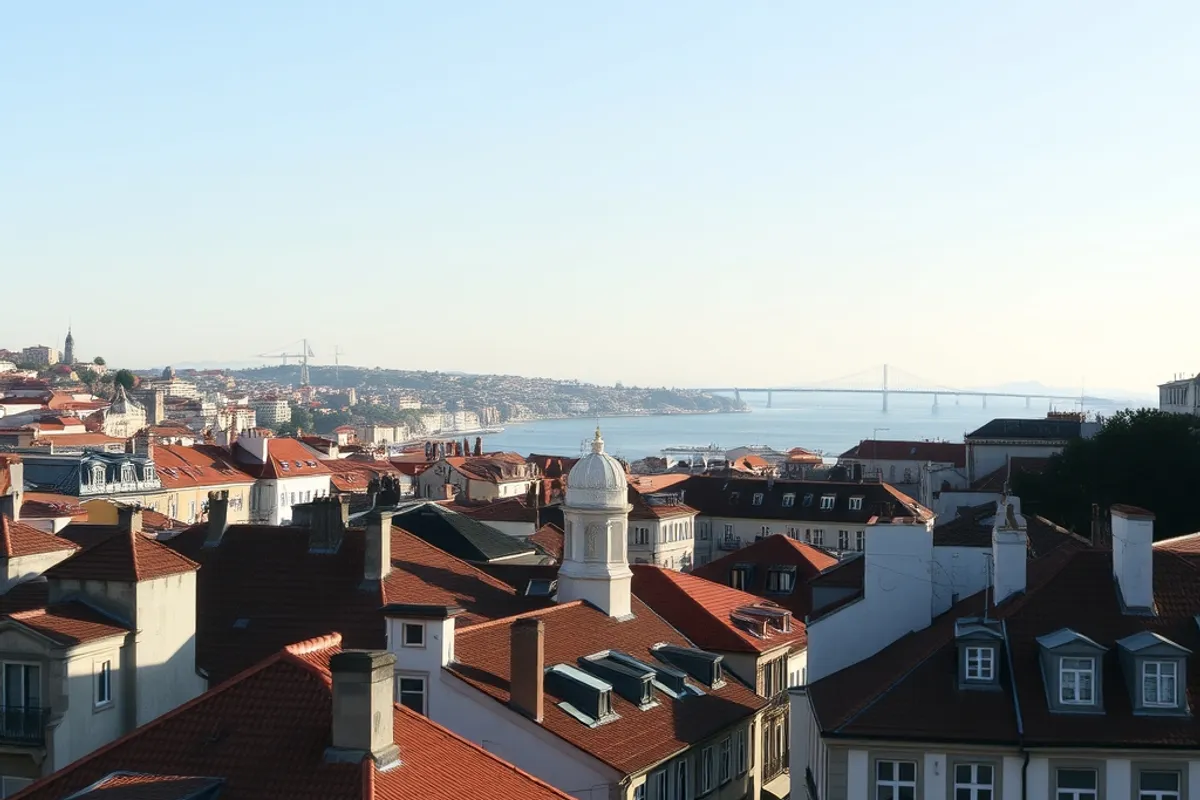
You are a guest, not an audience. The difference shows in how you dress, where you point your camera and where your money goes.
Tipping and money
Tipping norms vary wildly. In some countries it is expected, in others it is insulting or simply not done. Check a local source rather than exporting your home habit. When in doubt, ask a resident or leave a small amount with a note of thanks.
Pay in local currency when you can, and keep small notes for markets and taxis. Bargain politely and only where it is normal. If a price is fair to you and fair to the seller, take the deal. Spending at family businesses keeps more money in the neighbourhood.

Photos and privacy
Ask before photographing people, especially children, elders and anyone working. A gesture toward your camera and a questioning look is enough. If the answer is no, smile and move on. Do not photograph ceremonies or funerals unless you are invited.
Respect signs that forbid photography, and never block a doorway for a shot. If you post a photo of a person, consider whether they would be comfortable with it. The same courtesy you expect at home applies when you travel.
Food, waste and local business
Eat local dishes, carry a refillable bottle and refuse single-use plastic where you can. In places with fragile water systems, use a filter rather than buying bottles every day. Stay in smaller guesthouses and buy from markets rather than importing your usual brands.
Avoid activities that exploit animals or stage poverty for photos. Choose guides who live in the area and pay them fairly. If a tour feels wrong, leave. Your money is a vote for the kind of tourism you want to see more of.
A simple pre-trip checklist
Before you go, learn the dress code for the sites you plan to visit, check tipping norms, download a translation app and save a local emergency number. Pack a scarf, a refillable bottle and a bag for rubbish. Read one local writer rather than only tourist blogs.
The UNESCO culture pages explain why heritage sites matter to the people who keep them. Then browse our destination guides for practical city advice. Respect is a habit, not a checklist, but a checklist helps you start.