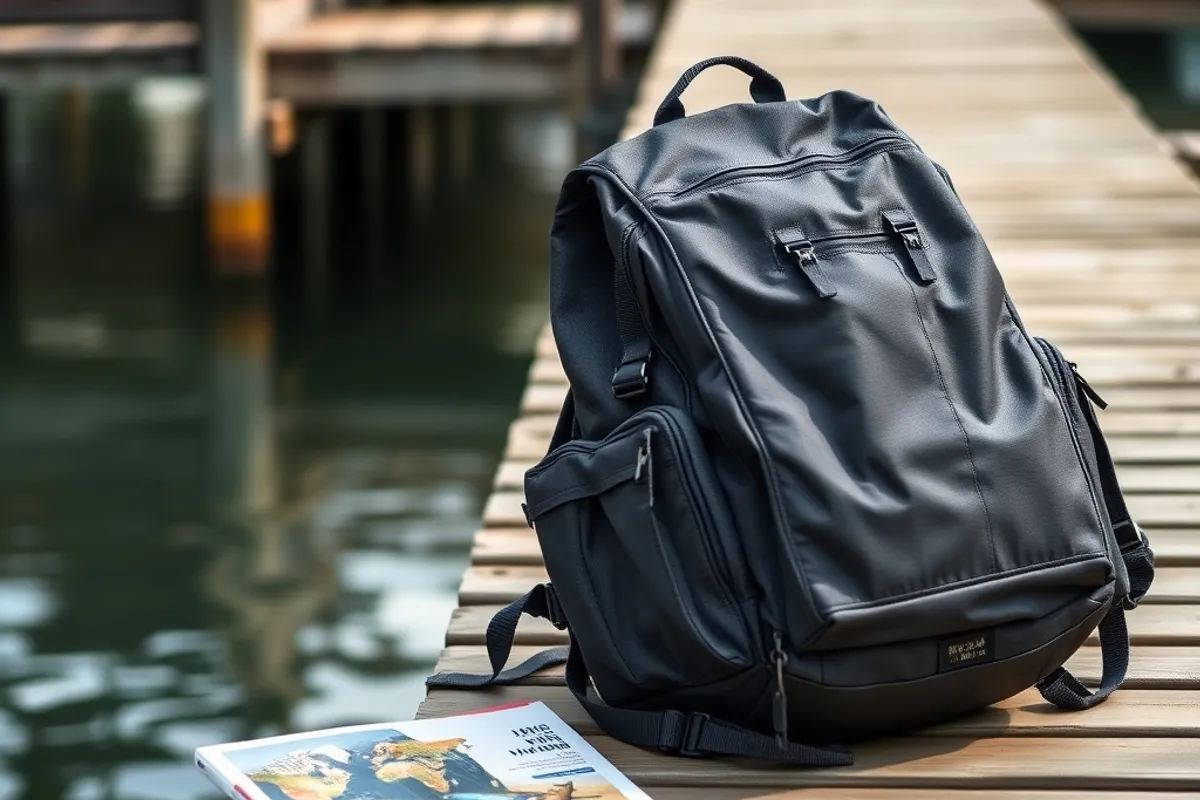
Backpack or suitcase
A backpack is better on stairs, cobbles and trains, and it keeps your hands free. A suitcase is easier on your back and simpler to pack. If your trip involves several short stays and public transport, a backpack usually wins.
The catch is access. Top-loading packs make you unpack everything to find a charger. Clamshell packs open flat like a suitcase and are easier to live with. We looked for a harness that transfers weight to the hips and a laptop sleeve that protects without wasting space. See our gear guides for the rest of our kit.
Our top pick: the Ridge Trail 40
The Ridge Trail 40 is a clamshell pack with a proper hip belt and a suspended mesh back. It carried 11 kilograms comfortably on a two-hour walk and still fit the cabin sizer when compressed. The main compartment opens flat, which made small hotel rooms easy.
We paid 219 dollars. It weighs 1.7 kilograms and has a separate laptop sleeve that fits a 15 inch machine. The straps are bulky when the pack is full, and the water bottle pocket is tight. For most travellers it is the best all-round balance of comfort and access.
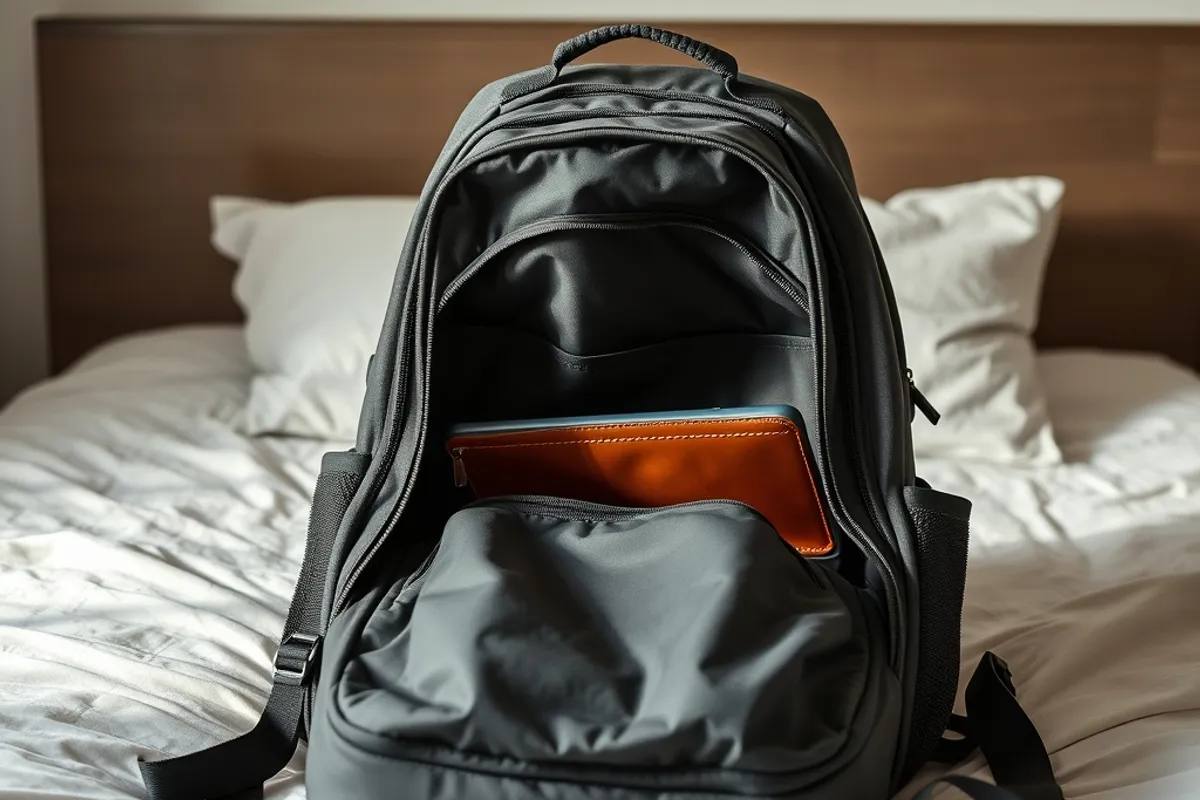
Best for one-bag travel: the Nomad Shell 35
The Nomad Shell 35 is built for people who refuse to check a bag. It opens flat, has compression straps inside and a clever front pocket for liquids and documents. We packed ten days of clothes with one laundry stop.
It costs 179 dollars and weighs 1.4 kilograms. The harness is simpler than the Ridge, so it is less comfortable above 9 kilograms. The fabric is tough and the zips are repairable. It is the pick for minimalist travellers who value organisation over load support.
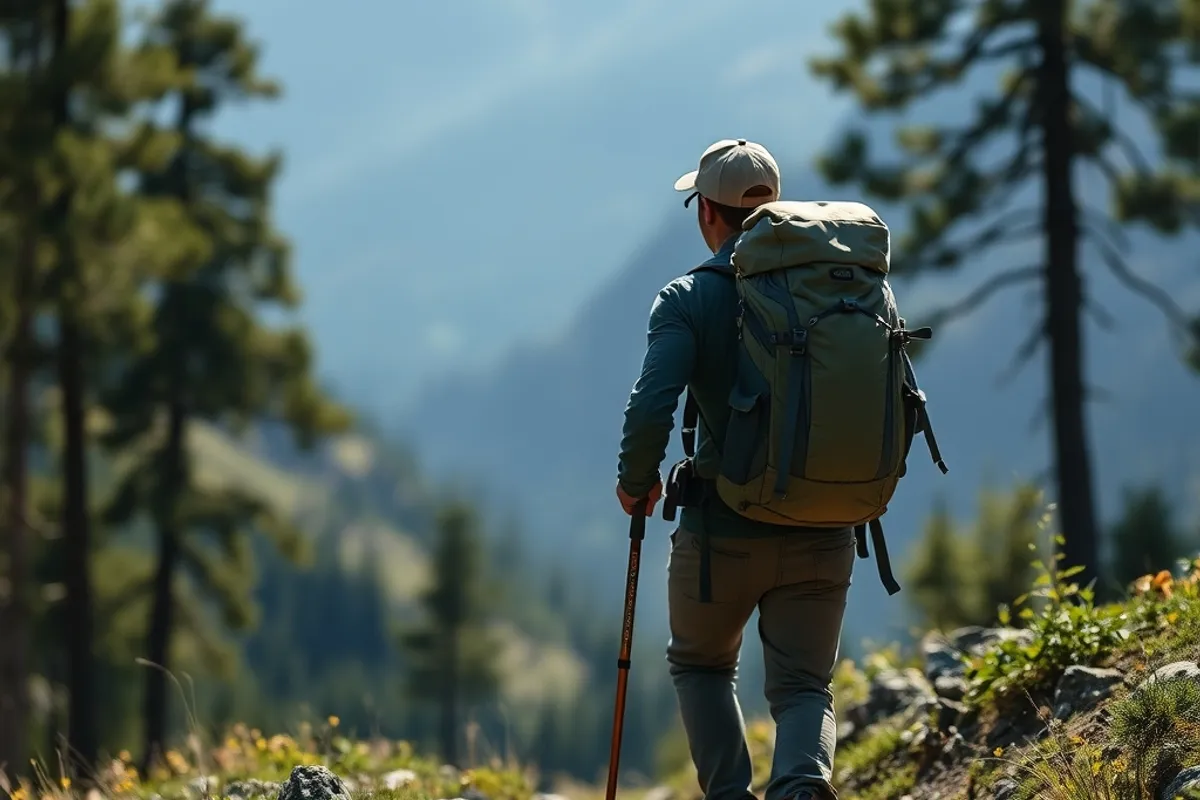
A good travel backpack disappears on your back. A bad one reminds you about it at every station.
Best for laptops: the Commuter Pro 28
The Commuter Pro 28 is a daypack that travels well. The laptop compartment is padded and suspended off the floor, and the front panel opens wide for a jacket and cables. It fits under an airplane seat and works as a city bag at the destination.
At 139 dollars it is the cheapest pack here, and the smallest. It is not a week-long bag unless you pack light. The shoulder straps are comfortable for a full day, but there is no hip belt. It is the pick for short business trips and remote work.
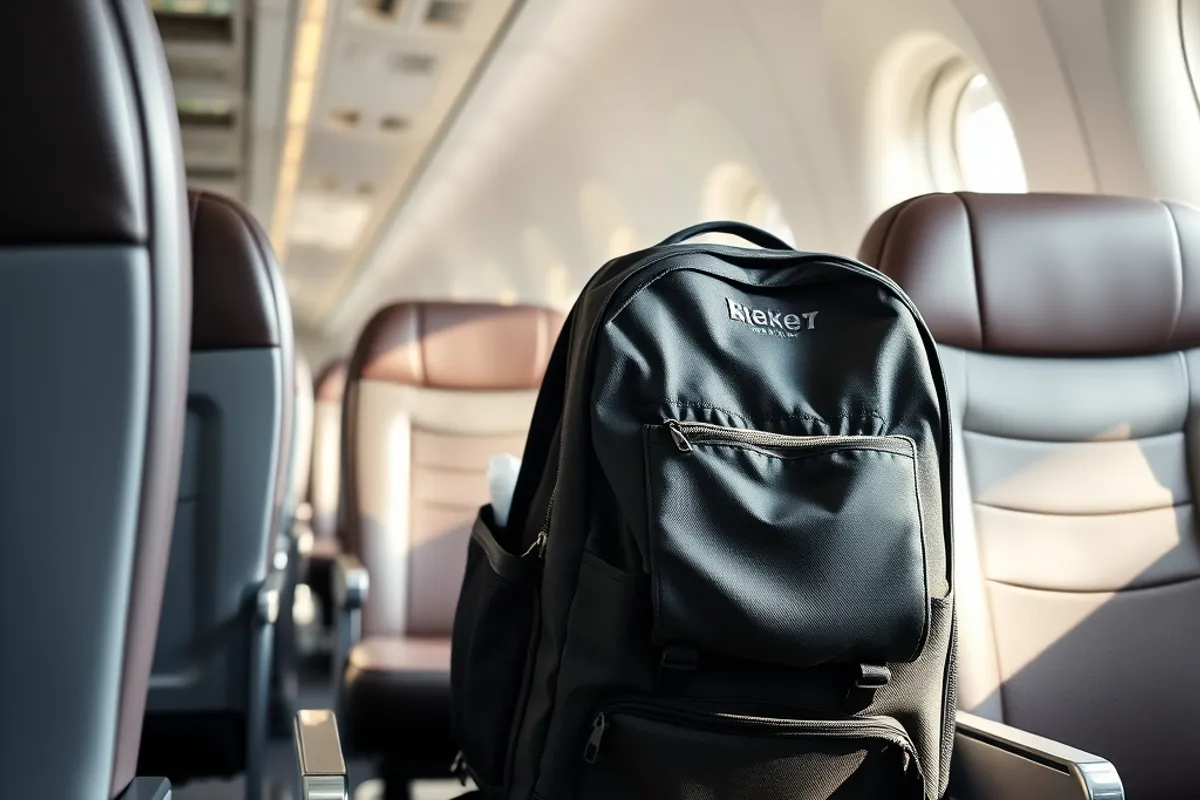
Best budget: the Trailhead 30
The Trailhead 30 costs 89 dollars and covers the basics. It has a large main compartment, a laptop sleeve and a rain cover. We used it for a four-day trip and had no failures, though the harness is basic and the back panel gets warm.
It weighs 1.2 kilograms and fits the cabin sizer when not overstuffed. The zips are the part to watch, so do not force them. For a first backpack or a backup bag, it is good value. For long walks with a heavy load, spend more on the Ridge.
Best for hiking: the Summit 45
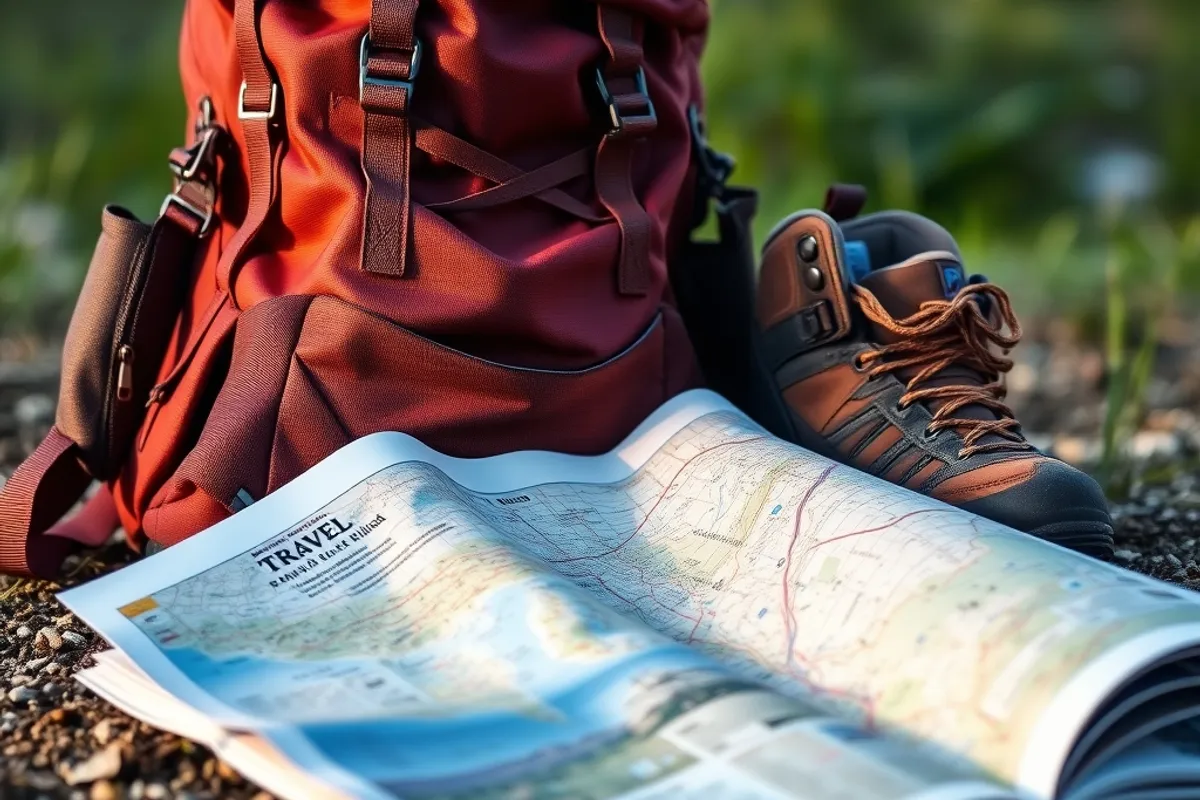
The Summit 45 is a hiking pack that doubles as travel luggage. The harness is the most supportive here, with a adjustable back length and a thick hip belt. It carried 12 kilograms on a hill trail without digging into the shoulders.
It costs 249 dollars and weighs 2.1 kilograms. The top-loading design is less convenient in a hotel, and the pack is too tall for some cabin sizers when full. It is the pick for trips that mix city nights with day hikes, not for strict carry-on-only travel.
Fit, packing and airport checks
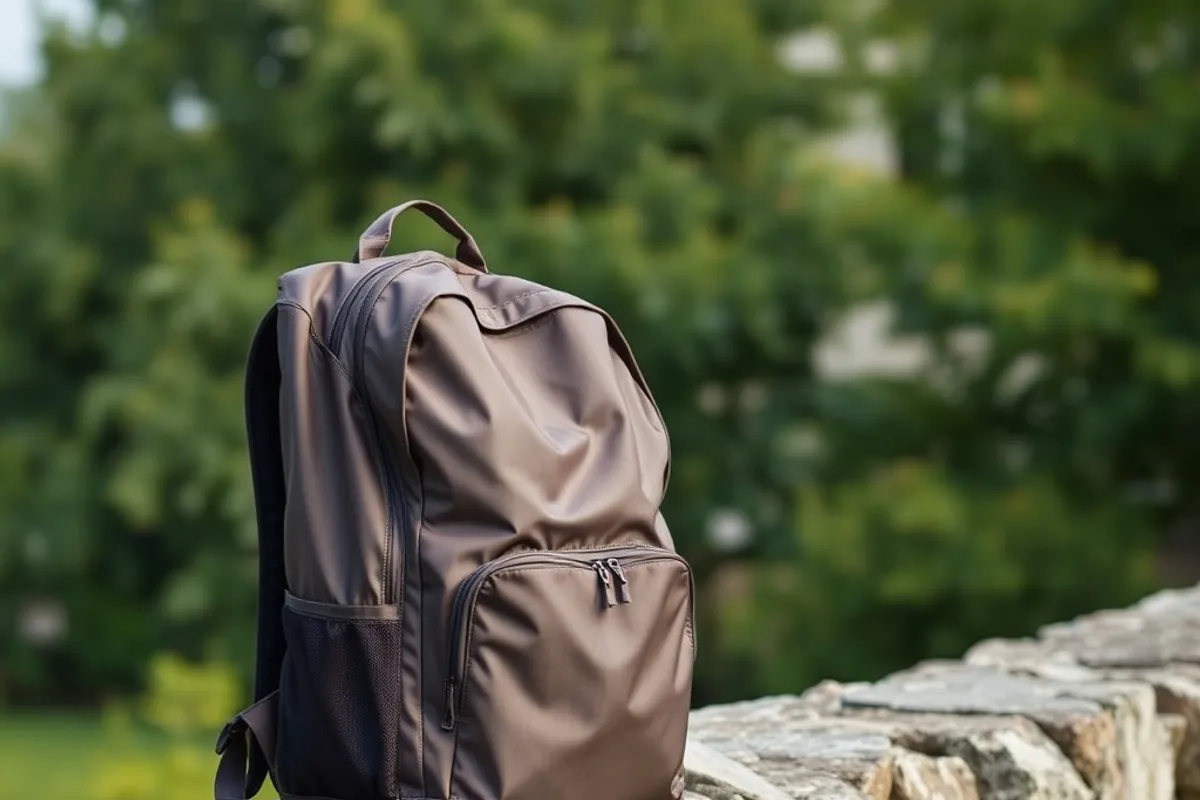
Measure your torso before you buy, and load the pack at home before you leave. A pack that fits empty can feel wrong at 10 kilograms. Put heavy items near your back and above the middle, and keep documents in an outside pocket you can reach without opening the main bag.
Check the cabin size and weight limit for every airline you fly, because a full pack can grow. The US government travel pages publish travel health guidance that is useful when you plan a longer trip. Then read our destination guides before you choose a route.