
How we pick an island
We start with logistics. A direct flight or a short, reliable ferry matters more than a perfect beach, because a missed connection can eat a whole day. We then look at the town: can you walk to dinner, buy water and reach a pharmacy without a car?
Finally we check the season. Many islands have a wet month, a windy month or a week when half the restaurants close. We compare room rates in high and shoulder season and talk to people who live there. Our destination guides and budget travel section explain how we price a trip.
São Miguel in the Azores
São Miguel is green, volcanic and quiet in the best way. We based ourselves in Ponta Delgada, walked the old town and took day buses to hot springs and crater lakes. The island rewards slow travel: a rental car helps, but the main town works without one.
We paid 132 dollars a night in June for a guesthouse with breakfast. Weather changes fast, so pack a rain shell even in summer. The trade-off is that some trails close after heavy rain. Check conditions at the visitor centre and keep a backup plan. It is the pick for walkers who want nature without a resort bubble.

Isla Holbox in Mexico
Holbox has sandy streets, no chain hotels and a pace that slows the moment you arrive. We reached it by bus and ferry from Cancún, which took most of a day but cost under 40 dollars. Golf carts replace cars, and bicycles are easy to rent.
Rooms averaged 118 dollars in February. The island is prone to seaweed in some months, and the mosquito population explodes after rain. Bring repellent and check the seaweed forecast before booking. For food, the evening taco stands near the square beat most beachfront restaurants. It is the pick for a low-key beach week.

The best island is not the one with the whitest sand. It is the one where the ferry, the food and the room all work on the same day.
Lombok in Indonesia
Lombok offers the beaches and surf of Bali with far fewer people. We stayed near Kuta, rented a scooter and took a boat to the Gili islands for two nights. The mix of coastline, waterfalls and food markets makes it easy to fill a week without rushing.
Guesthouses cost us 54 dollars a night, and meals were often under 6 dollars. Roads are rough outside the main towns, and renting a scooter without proper insurance is a false economy. Hire a driver for long trips. It is the pick for travellers who want adventure and a low daily budget.

Sal in Cape Verde
Sal is dry, windy and easy to reach from Europe. We flew direct, stayed in Espargos and took local buses to the beach. The water is warm, the trade winds keep the heat manageable and the music scene in the evening is worth staying out for.
Rates were 96 dollars a night in November. The island is not lush, so do not arrive expecting a tropical jungle. Bring cash for smaller places and confirm whether your card works. It is the pick for a short winter escape with reliable sun and a direct flight.
Rarotonga in the Cook Islands
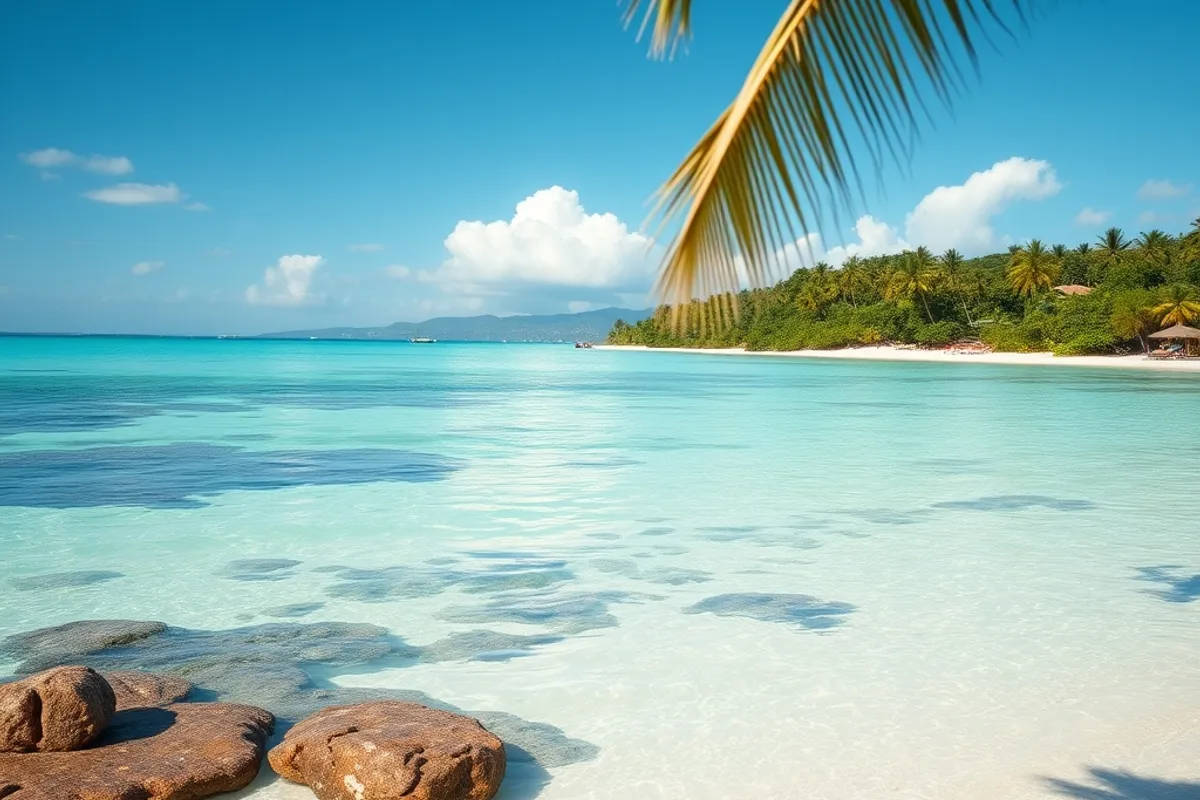
Rarotonga is small enough to circle by bus in under an hour, which makes it unusually relaxed. We stayed in a self-catering unit near the beach, swam every morning and cooked most dinners. The lagoon is calm and the island feels safe at night.
It is the most expensive pick here: flights can pass 900 dollars from Europe, and rooms averaged 210 dollars. Food costs add up, so a kitchen saves real money. Book early for the dry months and check the cyclone season before you commit. It is the pick for a once-in-a-decade trip.
When to go and what to budget
Shoulder season is the sweet spot on most islands: fewer people, lower rates and weather that is usually still good. Avoid the week of local holidays unless you want crowds, and check the marine forecast before booking a boat trip. The US National Weather Service explains how to read the outlook for your dates.
Budget at least 30 percent above the room rate for food, transport and activities. Then compare that total with our latest guides. An island that looks cheap on the booking screen can be expensive once every meal and transfer is added.