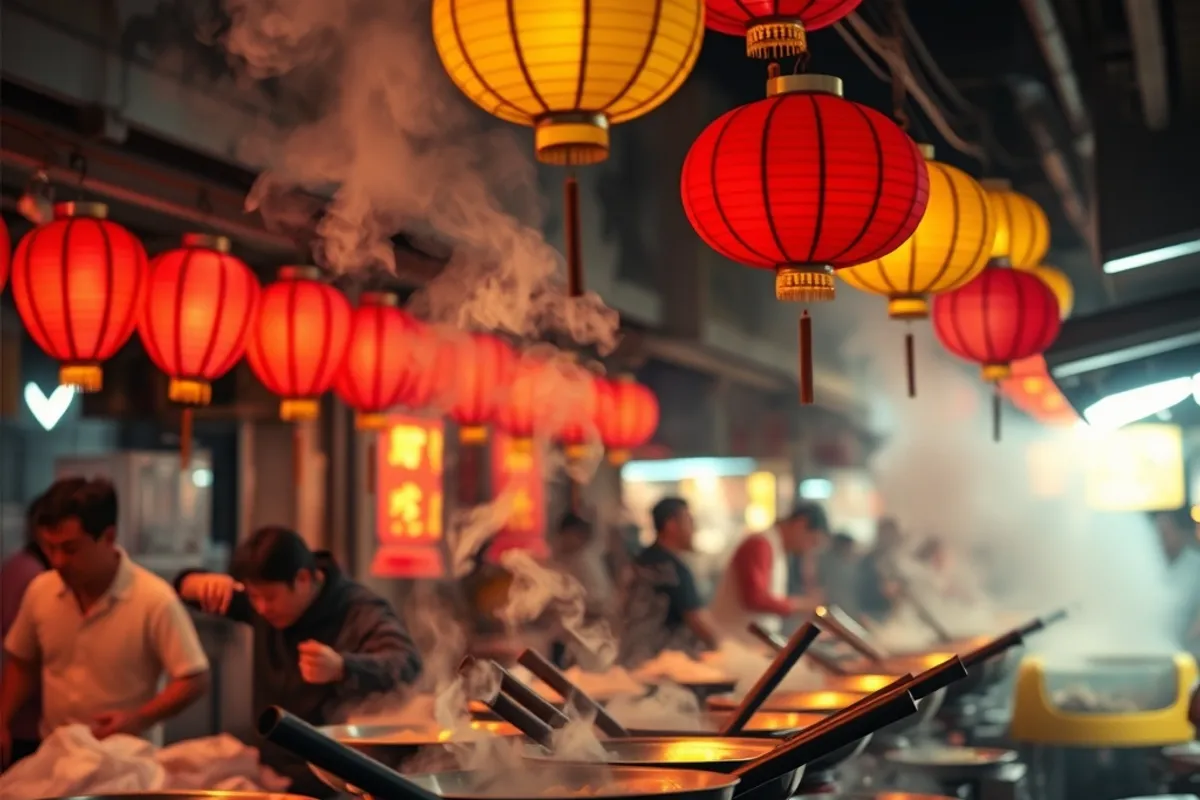
What makes a food market worth a detour
The best markets are not the biggest. They are the ones with a mix of cooked food, raw ingredients and locals doing their weekly shop. If every stall sells the same smoothie, you are in a tourist corridor. If grandmothers are buying noodles at eight in the morning, you are in the right place.
We looked for turnover, hygiene and a seat. A busy stall with a short menu is usually safer than a quiet one with fifty dishes. Our food and culture section explains how we choose, and our about page lists our testing rules.
Chatuchak in Bangkok
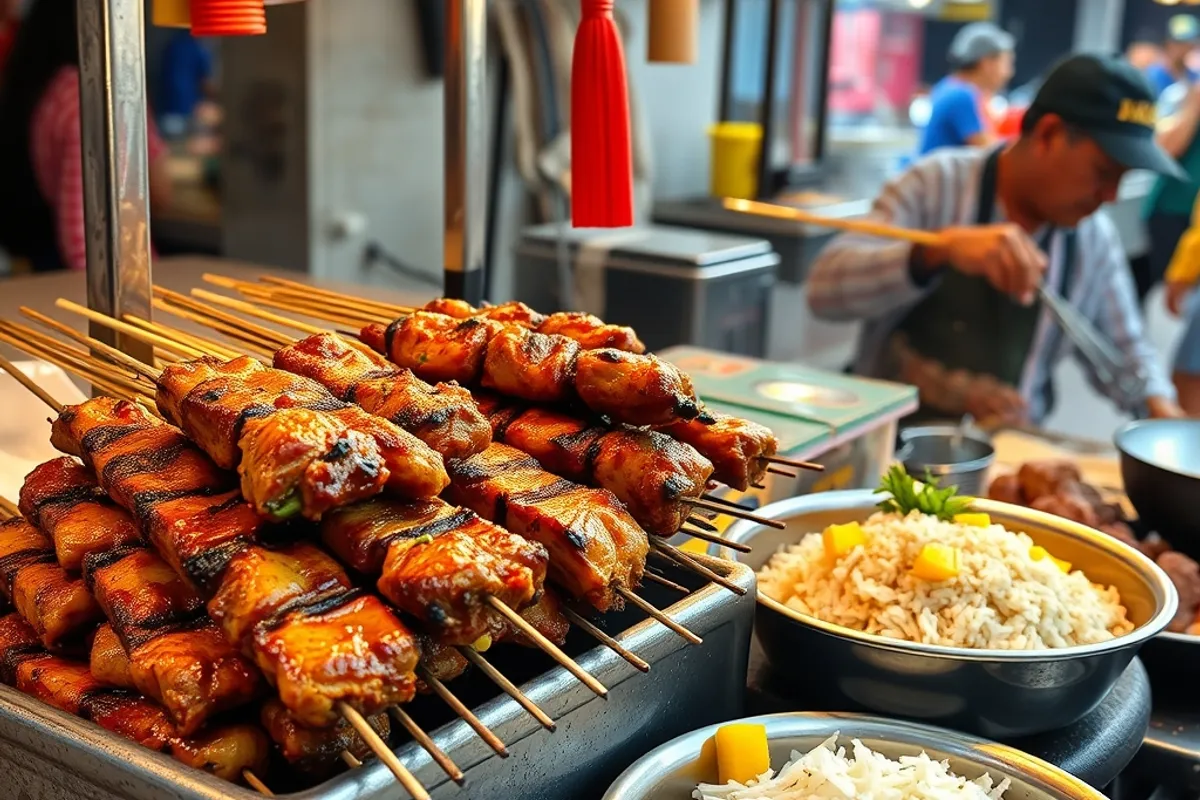
Chatuchak is vast, hot and worth an early start. We arrived at nine, ate grilled pork skewers and mango sticky rice, and were gone before the midday heat. The food section is easier to navigate than the clothing lanes, and prices are clearly posted.
Bring small notes and a refillable bottle. Some stalls close on weekdays, so check the day before you go. The market is on the metro, which is far easier than a taxi. It is the pick for travellers who want variety and do not mind crowds.
Ben Thanh in Ho Chi Minh City
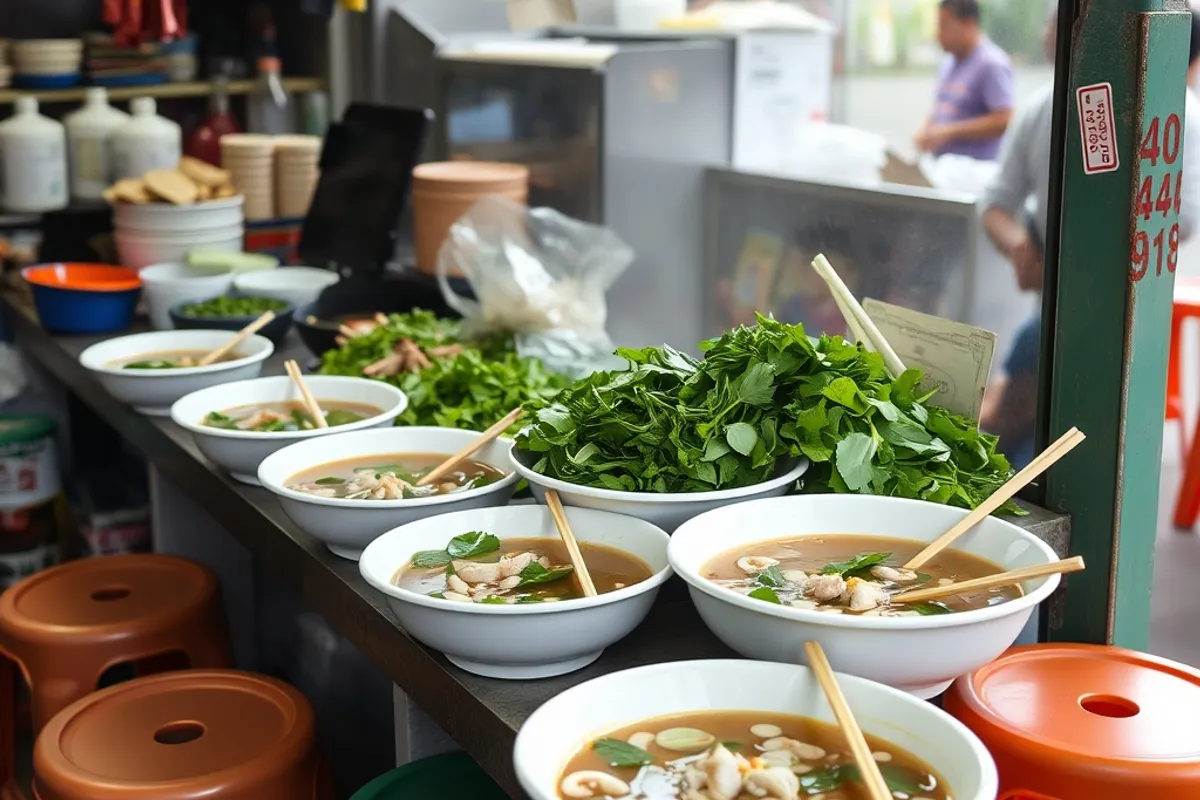
Ben Thanh is part market, part landmark, and the food stalls at the edges are the reason to come. We ate pho and broken rice for breakfast, then bought fruit for the day. The indoor hall is hot, so sit near the open doors.
Prices are higher than street stalls but still low, and the portions are reliable. Ignore the souvenir pressure and focus on the cooked food. It is the pick for a first morning in the city, when you want a safe, central place to eat before you explore.
At a good market you eat what the city eats, at the hour the city eats it. That is the whole attraction.
Tekka Centre in Singapore
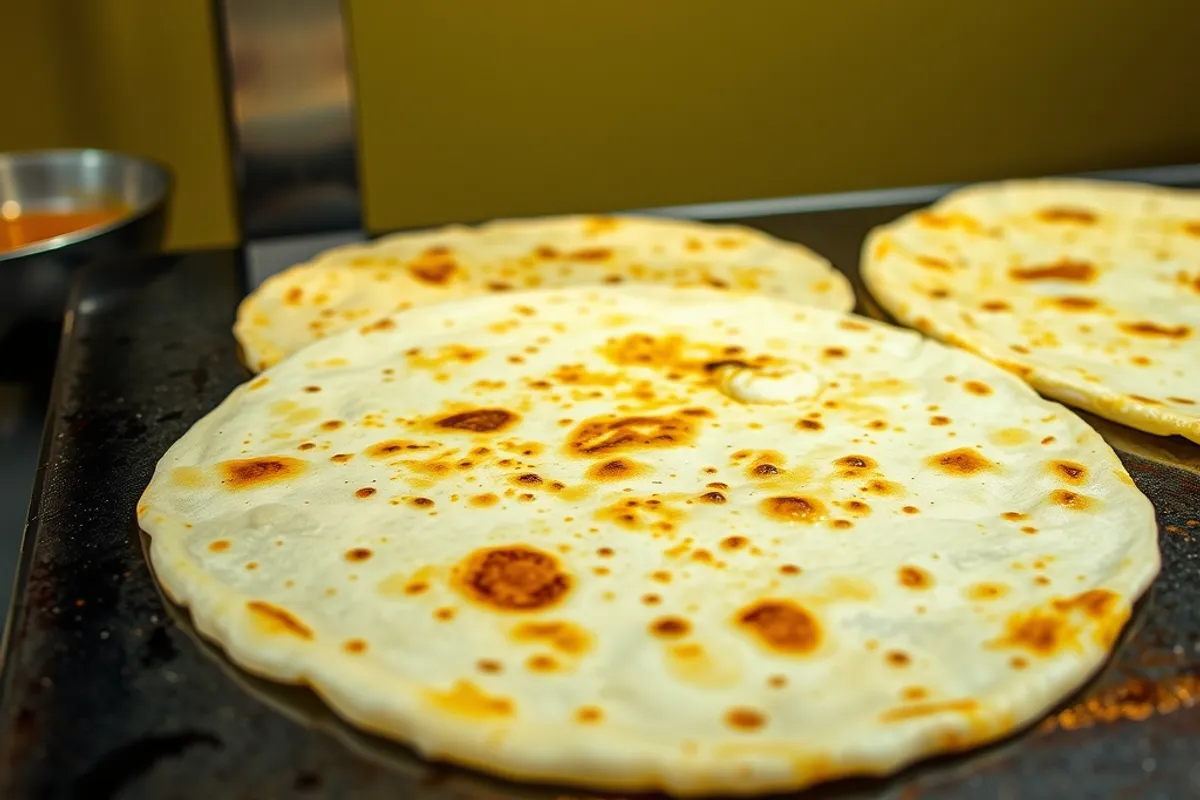
Tekka Centre is where several food traditions meet under one roof. We had roti prata, a bowl of fish head curry and fresh sugarcane juice in the same visit. The wet market downstairs is just as interesting as the cooked stalls.
It is easy to reach by metro and easy to pay with a card, though cash is still useful. Go before noon for the best selection. It is the pick for travellers who want variety without a long journey across the city.
Nishiki Market in Kyoto
Nishiki is a narrow covered lane of pickle shops, knife sellers and small counters. We grazed rather than ate a full meal: tamagoyaki, sesame tofu and a pickled cucumber. The atmosphere is calm compared with the big Southeast Asian halls.
Do not eat while walking, and do not photograph shopkeepers without asking. Prices are higher than in Bangkok, and some stalls close by late afternoon. It is the pick for a slow morning and a lesson in Japanese food craft.
Gwangjang Market in Seoul
Gwangjang is loud, bright and full of specialist stalls. We sat at a counter for mung bean pancakes and a bowl of noodles, then walked the aisles for dried fish and sweets. The portions are generous and the prices are fair.
Evening is the most atmospheric time, but it is also the busiest. Bring cash and be ready to share a bench. It is the pick for travellers who want a meal that feels like an event rather than a stop.
How to eat safely and politely
Choose stalls with high turnover, watch food being cooked to order and drink bottled or filtered water where that is the norm. Carry hand sanitiser and small notes. If a place is full of locals at lunch, that is a better signal than any review.
Ask before you photograph people, and put your bag where it will not block a walkway. The World Health Organization publishes plain guidance on food safety that is worth reading before a long trip. Then compare more places in our destination guides.