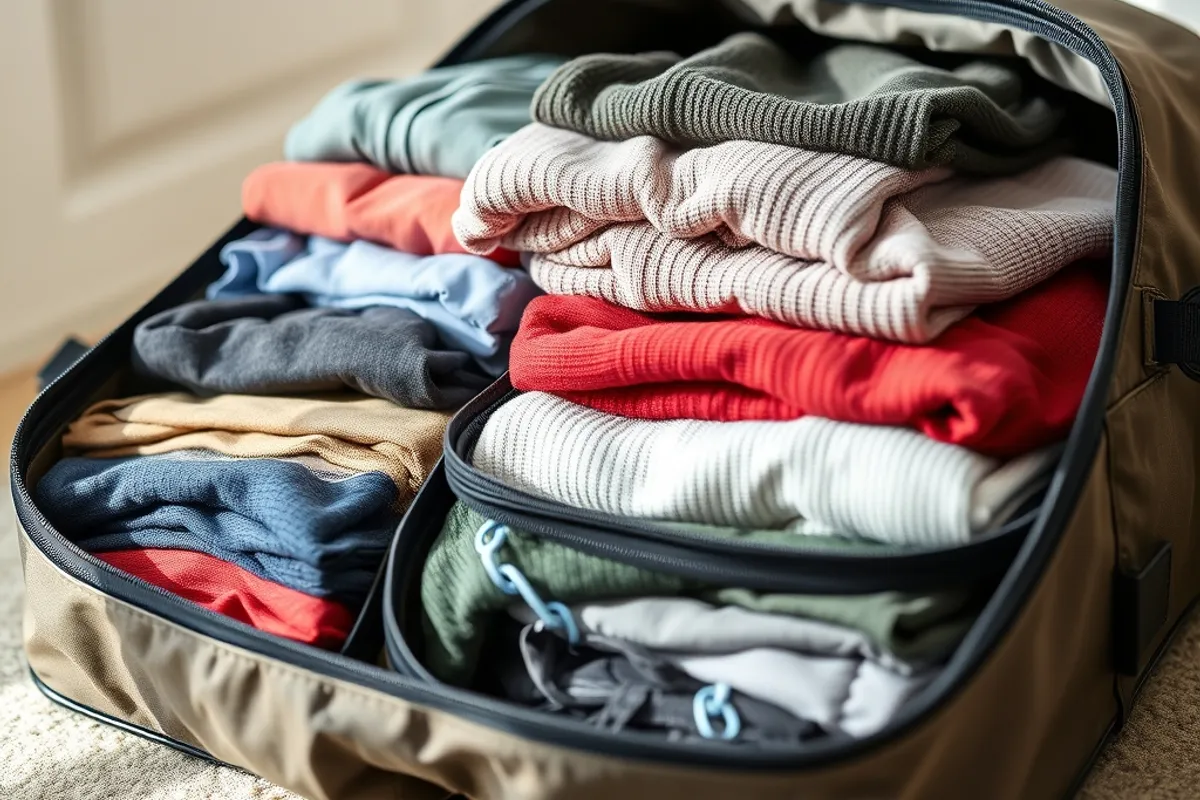
What matters in a carry-on
Start with the airline limit, not the bag label. Cabin rules differ by carrier and by aircraft, and a bag that fits one airline may fail another. Measure the wheels and handles, because those count toward the limit. Then check the empty weight, which matters on strict 7 kilogram allowances.
After size, look at the wheels, the handle and the opening. A bag that opens flat is easier to pack in a small room. We also tested the zips and the interior compression. Our travel gear section explains how we score durability, and our about page lists our testing rules.
Our top pick: the Meridian Cabin 40
The Meridian Cabin 40 is the bag we kept reaching for. It weighs 2.6 kilograms, opens flat and rolls quietly on four wheels. The handle has almost no wobble, and the compression panel kept a week of clothes in place on a packed train.
We paid 189 dollars. The shell flexes under pressure, which protects the frame but shows scuffs. The warranty covers wheels and handles for five years. For most travellers this is the safest balance of price, size and repairability. Check the cabin limit for your airline before you fly.
Best hard shell: the Northline Aero
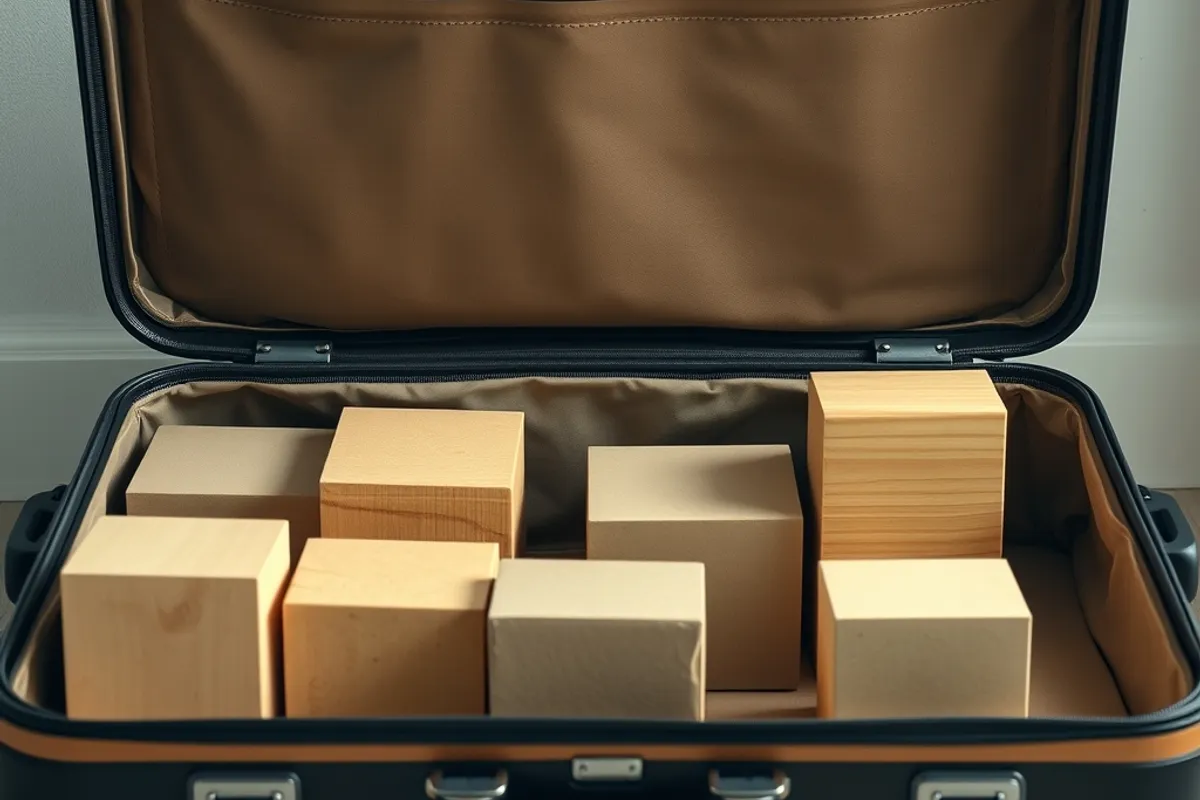
The Northline Aero is the toughest bag in the group. The polycarbonate shell shrugged off a drop onto concrete, and the sealed zips kept clothes dry in a rain shower. It is the pick for winter trips and rough transfers.
It costs 239 dollars and weighs 3.4 kilograms, so you lose some packing weight. The clamshell opening is excellent on a bed but awkward in a tight hotel room. The glossy finish scratches, which is cosmetic rather than structural. Buy it if protection matters more than a few hundred grams.
The best carry-on is not the lightest or the prettiest. It is the one that still rolls smoothly when the trip is half over.
Best soft bag: the Field & Co Weekender
The Field & Co Weekender is a soft-sided bag with a wide top opening and two deep front pockets. It swallowed a bulky jacket and a pair of shoes that defeated the hard shells. At 2.2 kilograms it is the lightest bag we tested.
It costs 129 dollars. The fabric is water resistant, not waterproof, so pack a dry bag for electronics. The two wheels track well but struggle on gravel. It is the pick for weekend trains and car trips, where you can lift it easily and do not need a rigid shell.
Best budget: the Tripp Lite 38
The Tripp Lite 38 costs 79 dollars and does the basics well. It fits the sizer on the airlines we tested, rolls straight and has a usable interior. The materials are thinner and the handle flexes more than the leaders, but nothing failed during our trips.
This is a bag to buy when the budget is tight or the trip is short. Check the zips on arrival and avoid overpacking, because the seams are the weak point. For two or three nights it is enough. For a long trip with connections, spend more on the Meridian.

Best for long trips: the Atlas Expandable
The Atlas Expandable adds five centimetres of depth with a zip, which turns a strict cabin bag into a generous weekender. We used it for a ten-day trip with one laundry stop and never checked a bag. It weighs 3.1 kilograms and costs 209 dollars.
Expanded, it may exceed some airline limits, so measure before you fly. The wheels are large and handled cobbles better than any other bag here. The trade-off is bulk when full. It is the pick for travellers who want one bag for a longer trip and are willing to check the rules.
How we tested and cabin rules
We packed each bag with the same list, weighed it, then flew with it on short and long segments. We noted wheel noise, handle wobble and any damage. We also measured each bag with a tape at the airport sizer, because published dimensions often exclude wheels.
Rules change, so check your airline before every trip. The US Transportation Security Administration publishes current security and packing guidance that is worth a look before you fly. Then compare bags with our budget travel advice if fare rules are tight.